Why Do We Overspend and How Can You Stop Impulse Buying?
You know the feeling. You’re scrolling through social media or walking through a store, and suddenly you need something you didn’t even know existed five minutes ago. Before your rational brain catches up, you’ve clicked buy or swiped your card. Later, looking at your bank account or staring at the unopened package, you wonder why you did it again. If this sounds familiar, you’re not alone. Overspending and impulse buying affect millions of people regardless of income level or financial knowledge.
The frustrating part is that overspending rarely feels irrational in the moment. Your brain provides perfectly logical reasons why this particular purchase makes sense. You deserve it after a hard week. It’s on sale and you’re actually saving money. Everyone else has one. You’ll definitely use it all the time. These justifications feel genuine until the credit card bill arrives or you realize the item is collecting dust. Understanding why your brain tricks you into overspending is the first step toward breaking the cycle.
The good news is that impulse buying isn’t a character flaw or lack of willpower. It’s a predictable response to psychological triggers that companies deliberately exploit and that modern consumer culture amplifies. Once you understand the mechanisms driving overspending, you can implement specific strategies to interrupt those patterns. Let’s explore why we overspend and practical methods to regain control.
The Psychology Behind Emotional Spending
Shopping triggers dopamine release in your brain, the same neurotransmitter associated with rewards and pleasure. When you buy something, you get a temporary mood boost that feels genuinely good. Your brain learns this pattern quickly, and soon just thinking about shopping starts releasing dopamine in anticipation. This creates a cycle where shopping becomes a go to activity whenever you want to feel better.
Emotional spending happens when you use purchases to cope with uncomfortable feelings like stress, anxiety, sadness, or boredom. After a terrible day at work, buying something new provides instant relief from those negative emotions. The problem is that the relief is temporary while the financial consequences are permanent. The item you bought doesn’t actually solve the problem that caused the bad feelings, so the negative emotions return along with new guilt and stress about overspending.
Many people don’t realize they’re emotional spending because the emotions driving purchases aren’t always obvious. Boredom is a major trigger that feels less dramatic than stress or sadness but leads to just as much unnecessary spending. Scrolling shopping apps or browsing stores becomes a way to fill time and create mild stimulation when you’re understimulated. Excitement and celebration also trigger overspending as people reward themselves for accomplishments or good news with purchases that seemed unthinkable before the emotional high.
Social Pressure and Keeping Up With Others
Social influences play a huge role in overspending, especially in the age of social media where everyone’s purchases and experiences are constantly on display. When you see friends, family, or influencers with nice things, dining at trendy restaurants, or taking amazing vacations, it creates pressure to match that lifestyle. You don’t want to be left behind or feel like you’re missing out on what everyone else is enjoying.
This keeping up with others mentality makes spending feel necessary rather than optional. If your social circle regularly goes to expensive restaurants or takes weekend trips, choosing cheaper alternatives or declining invitations feels socially risky. The fear of being judged, excluded, or seen as less successful pushes people to spend beyond their means just to maintain appearances and relationships.
Social media amplifies this problem by showing you an endless stream of other people’s purchases and experiences without showing the debt, stress, or financial struggles behind them. You’re comparing your complete financial reality to everyone else’s carefully curated highlight reel. The constant exposure to consumption makes it feel normal and necessary to constantly buy new things, upgrade possessions, and spend on experiences, even when your budget can’t support it.
The Instant Gratification Trap
Human brains are wired to prioritize immediate rewards over delayed benefits. The pleasure of owning something new right now feels much more compelling than the abstract future benefit of having more savings or less debt. This present bias makes impulse purchases almost irresistible because your brain dramatically discounts the future consequences while amplifying the immediate reward.
Modern shopping deliberately exploits this tendency through one click purchasing, stored payment information, buy now pay later options, and fast shipping. The easier and faster it is to complete a purchase, the less time your rational brain has to intervene and question whether you actually need the item. Twenty years ago, buying something required going to a store, finding the item, waiting in line, and paying with cash or check. Those steps created natural delays that allowed second thoughts.
Now you can go from seeing something to owning it in under thirty seconds without ever getting off your couch. The friction that used to protect people from impulse buying has been systematically eliminated. Companies know that the longer you think about a purchase, the less likely you are to complete it, so every aspect of modern retail is optimized to move you from desire to purchase as quickly as possible before your rational mind catches up.
Fear of Missing Out Drives Urgency
The fear of missing out pushes people to make rushed purchasing decisions they later regret. Limited time offers, flash sales, low stock warnings, and exclusive releases create artificial urgency that makes waiting feel dangerous. Your brain interprets these scarcity signals as threats, triggering anxiety that gets relieved by making the purchase. Companies deliberately create this urgency because it overrides rational decision making.
FOMO doesn’t just apply to products but also to experiences. When everyone is talking about a concert, restaurant, or vacation destination, you feel pressure to participate so you don’t miss out on the shared experience and conversations. The fear of being excluded from social moments or being unable to relate to what others are discussing motivates spending beyond your budget.
This scarcity mindset makes every purchase feel more important and time sensitive than it actually is. The reality is that most products will be available later or something similar will exist. Missing a sale doesn’t mean missing your only chance to own something. But in the moment, FOMO makes it feel like now or never, pushing you to buy before you’ve properly evaluated whether you actually want or need the item.
How Marketing Exploits Your Weaknesses
Advertising and marketing are psychological warfare designed to make you spend money. Every ad you see is crafted by people who understand behavioral psychology and know exactly which buttons to push. Ads don’t just show products, they associate those products with desired emotions, social status, identity, and solutions to problems you didn’t know you had five minutes ago.
Targeted advertising makes this even more effective by showing you ads for exactly the types of products you’re most likely to buy based on your browsing history, purchases, and demographic information. The algorithm knows your weaknesses better than you do and constantly puts temptation directly in front of you. This personalized marketing creates the illusion that these products are perfect for you specifically, making resistance harder.
Email marketing, push notifications, and retargeting ads ensure you’re constantly reminded of products you looked at even after leaving a website. These repeated exposures wear down resistance through familiarity. You start thinking about the item more, imagining how you’d use it, and eventually the repeated exposure makes the purchase feel inevitable rather than optional.
Implement the 24 Hour Rule
One of the most effective strategies for stopping impulse buying is enforcing a mandatory waiting period before any non essential purchase. When you encounter something you want to buy, instead of purchasing immediately, wait at least twenty four hours. For larger purchases, extend this to seventy two hours or a week. This cooling off period allows the initial excitement and dopamine rush to fade so you can evaluate the purchase more rationally.
During the waiting period, the strong desire to own the item often diminishes significantly or disappears entirely. You realize you don’t actually need it or that the money would be better spent elsewhere. The impulse that felt overwhelming in the moment turns out to be temporary when you give it space. If you still genuinely want the item after the waiting period and it fits your budget, then buy it with confidence knowing it’s not just an impulse.
Make this rule non negotiable by removing the ability to buy instantly. Delete stored payment information from shopping websites so you have to manually enter card details for every purchase. Uninstall shopping apps from your phone. These small barriers create the pause you need to engage your rational brain before completing a purchase.
Identify Your Personal Triggers
Everyone has specific situations, emotions, or circumstances that trigger overspending. Maybe you spend when stressed, bored, or after drinking alcohol. Maybe browsing certain websites or stores leads to purchases even when you didn’t intend to buy anything. Maybe shopping with particular friends or after scrolling social media triggers spending. Identifying your specific triggers allows you to either avoid them or prepare strategies for handling them.
Keep a spending journal for a month where you track not just what you bought but how you were feeling, where you were, and what you were doing right before the purchase. Patterns will emerge quickly. You might discover you always overspend on Friday evenings after a stressful work week, or that boredom on Sunday afternoons leads to online shopping, or that certain stores trigger purchases even when you’re just browsing.
Once you know your triggers, you can proactively manage them. If stress triggers spending, develop alternative stress relief methods like exercise, meditation, or talking to friends. If boredom leads to shopping, create a list of free or cheap activities to do instead. If certain stores or websites trigger purchases, avoid them entirely or only visit them with a specific item on your shopping list.
Create Friction Between Desire and Purchase
Since impulse buying thrives on instant gratification and zero friction, deliberately adding obstacles between wanting something and buying it helps break the cycle. Remove shopping apps from your phone so buying requires opening a browser and navigating to websites. Log out of shopping sites so you have to sign in each time. Delete saved payment methods so you must manually enter card information for every purchase.
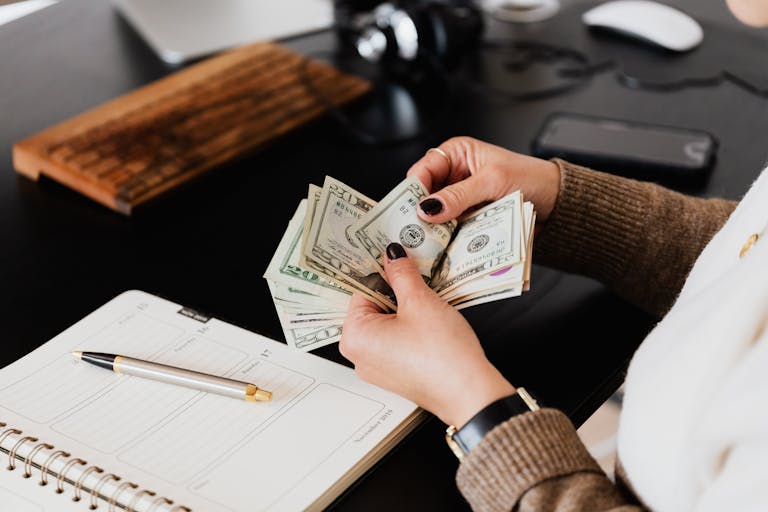
Use cash for discretionary spending categories instead of cards. Physically handing over cash creates more psychological pain than swiping a card, which feels abstract and disconnected from real money. When you see the cash leaving your wallet, spending feels more real and you naturally become more selective about purchases.
Unsubscribe from promotional emails and unfollow brands on social media to reduce exposure to marketing. You can’t impulse buy things you don’t see. Curating your digital environment to minimize shopping triggers makes resistance much easier. Out of sight genuinely becomes out of mind when you’re not constantly bombarded with products and sales.
Replace Shopping With Healthier Activities
Shopping often fills emotional needs that could be met more effectively and cheaply through other activities. If you shop when bored, you need better ways to create stimulation and interest. If you shop when stressed, you need better stress management techniques. If you shop for excitement, you need alternative sources of novelty and reward.
Create a list of free or low cost activities you can do when you feel the urge to shop. Exercise, calling a friend, reading, going for a walk, working on a hobby, or watching something entertaining can all provide emotional satisfaction without financial cost. The key is having these alternatives ready before the urge strikes so you have something to redirect the impulse toward.
Recognize that the mood boost from shopping is temporary and superficial. The exercise or meaningful conversation might not give you the instant dopamine hit that buying something does, but it provides deeper satisfaction without the guilt, clutter, and financial consequences. Over time, your brain can learn to seek these healthier rewards instead of shopping.
Set Spending Limits and Track Everything
Knowing exactly how much you’re spending makes overspending harder to rationalize. When spending is vague and untracked, your brain can convince itself that you haven’t spent that much or that one more purchase won’t matter. Tracking forces confrontation with reality. Set clear monthly limits for discretionary categories and track spending against those limits in real time.
Use your bank app, a budgeting app, or simple spreadsheet to monitor spending throughout the month. Check it before making any purchase to see if you have room in that category. This awareness creates pause and consideration that interrupts impulse buying. When you see you’ve already spent your entire dining out budget, it’s harder to justify another restaurant meal.
Consider using a prepaid card or separate account for discretionary spending loaded with only your monthly allowance. When that account is empty, you’re done spending in those categories until next month. This creates a hard stop that credit cards don’t provide since credit lets you spend beyond your means and deal with consequences later.
Practice Mindful Spending
Mindful spending means being fully conscious and intentional about every purchase rather than shopping on autopilot. Before buying anything, pause and ask yourself specific questions. Do I need this or just want it? Will I use this regularly or will it sit unused? Does this align with my values and goals? Can I afford this without sacrificing something more important?
Visualize the purchase as the hours of your life you traded for the money to buy it. If something costs one hundred dollars and you earn twenty dollars per hour after taxes, that purchase represents five hours of your life. Is the item worth five hours of work? This reframing makes spending feel more real and significant.
Distinguish between things that bring lasting value and things that provide only temporary pleasure. Spending on experiences with loved ones, items you’ll use regularly for years, or things that genuinely improve your life is very different from impulse purchases that sit unused or quickly become clutter. Aligning spending with values rather than impulses creates satisfaction without regret.
Breaking Free From the Cycle
Overspending isn’t about being bad with money or lacking willpower. It’s a natural response to psychological triggers that modern consumer culture deliberately exploits. Understanding why you overspend removes the shame and replaces it with strategy. You’re not fighting your character, you’re managing your environment and decision making processes to support the financial life you actually want rather than the one impulse creates. Start with one or two strategies that resonate most with your personal triggers. Create waiting periods before purchases. Reduce exposure to marketing. Track spending consciously. Each small change weakens the impulse buying cycle until you regain control over your money and find that the urge to overspend loses its power entirely.